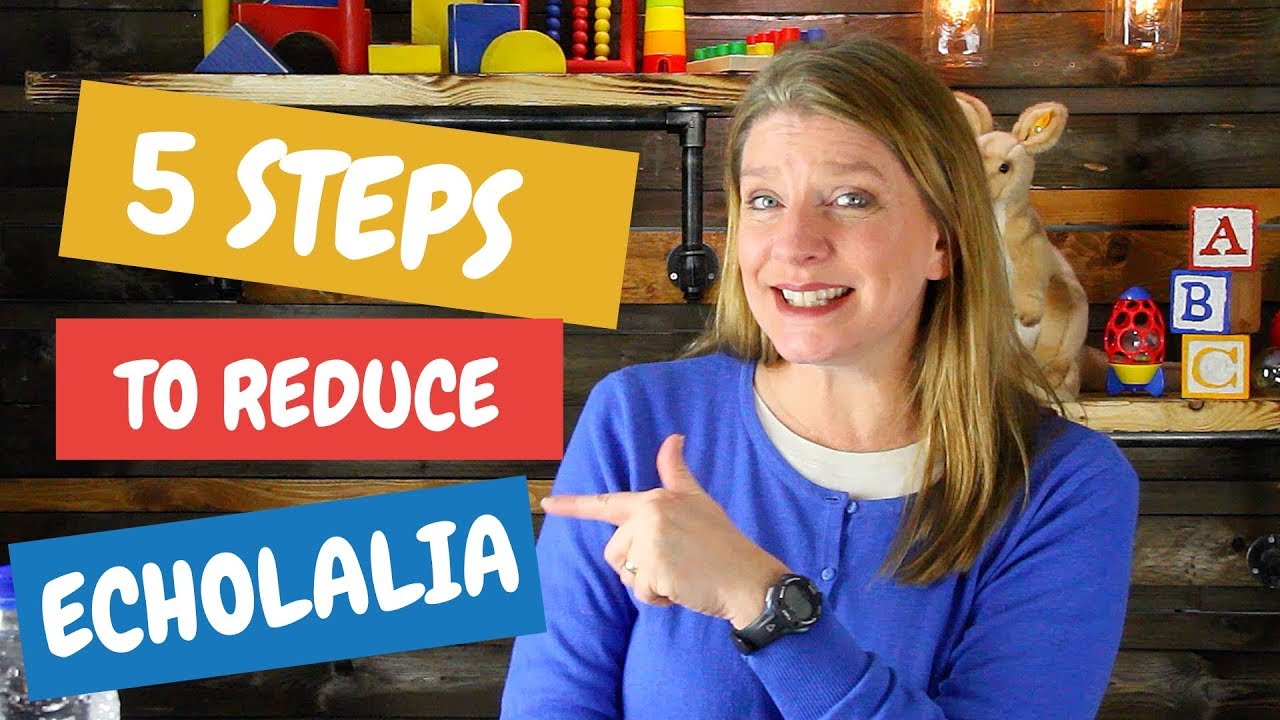
The video is an approach designed to support children with autism and other developmental challenges. DIR stands for Developmental, Individual-difference, Relationship-based, emphasizing a holistic view of child development.
The video outlines the three core components of the DIR model:
- Developmental Stages: This stage concentrates on the importance of understanding where a child is in their developmental journey, highlighting six key stages, form basic emotional connections to complex social interactions. Each child progresses at their own pace, and intervention strategies should align with their current stage.
- Individual Differences: The model emphasises the uniqueness of each child, recognising that factors such as sensory processing, motor skills, and cognitive abilities significantly influences how a child engages with the world. Tailoring approaches to these individuals differences is crucial for effective intervention.
- Relationship- based Interactions: The video stresses the significance of building strong, trusting relationships between children and caregivers. Engaging in meaningful interactions, particularly through play, helps foster emotional and social development.
Overall, the video serves as an informative resource for understanding how the DIR/Floor time approach can enhance developmental outcomes for children with autism, promoting a deeper connection between caregivers and children through tailored, relationship-focused intervention.