A common concern shared by many parents of children with autism, particularly around the socialization and learning opportunities that children might be missing. It is no secret that providing children with opportunities to interact with their peers, even if they seem to be uninterested at first, can prove to be very important. Many parents report that their children don’t engage with other kids, either in school or in social settings, which leads to them feeling unsure about sending their children to school or allowing them to play with other children. The parents should be reassured that even if a child does not immediately engage with other kids, simply being around them is incredibly valuable. Whether it’s through playtime in a garden, inviting neighborhood kids over, or simply spending time in a social environment, these moments are essential for a child’s social and emotional development.
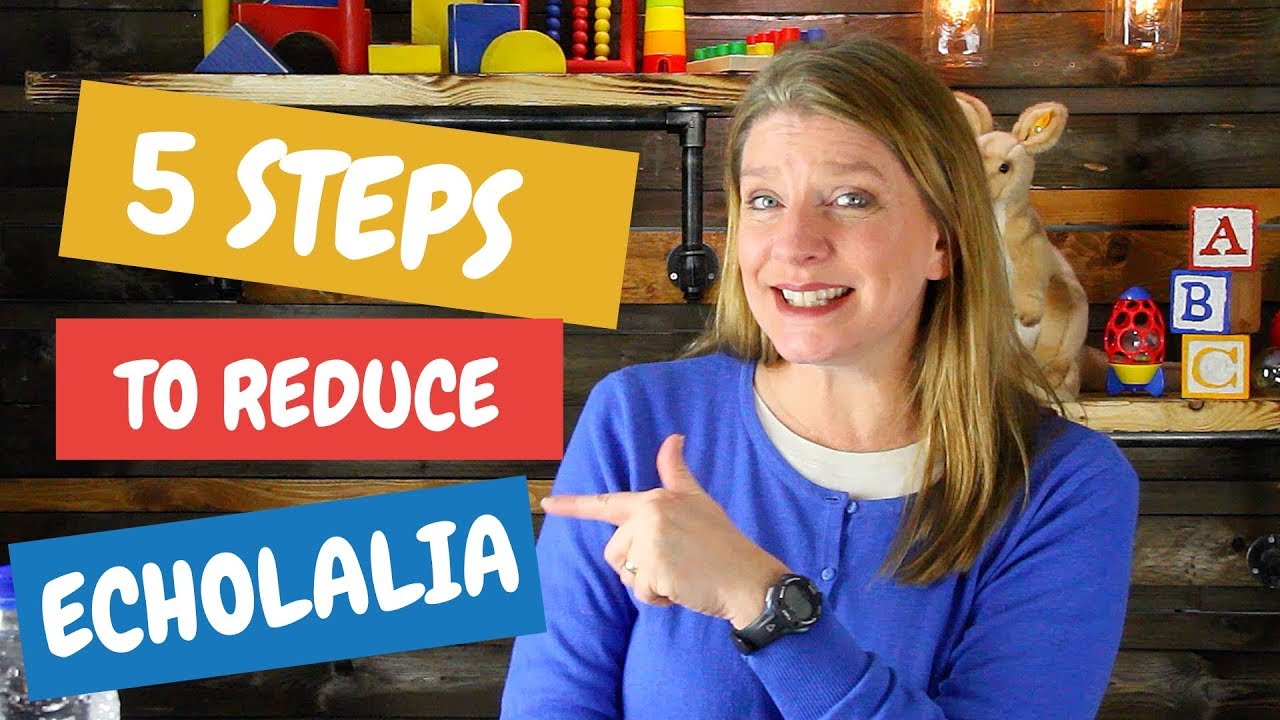
The video emphasizes that while therapy and structured learning sessions with adults are important, they do not replace the natural learning that occurs through interaction with peers. It’s essential for children to experience the world through the eyes of their peers, even if it starts off as parallel play—where the child plays alongside others without much interaction. The speaker encourages parents to focus on the long-term benefits of peer interaction, even when initial engagement seems minimal. The speaker highlights that these opportunities don’t need to be perfect; a child might play with toys alongside another child, without direct interaction, but this is still meaningful. The message is clear: giving children the opportunity to engage with peers, regardless of their initial response, is crucial for their development. This approach encourages a balanced view of therapy and natural play, emphasizing that social skills and learning are deeply enriched by real-life peer interactions.