This presentation explores strategies for developing spoken language in young children with autism, emphasizing the importance of early intervention while acknowledging that language acquisition can continue beyond the preschool years. It discusses the role of motor imitation, joint attention, and symbolic play as predictors of communication development. The speaker introduces the verbal behavior approach based on B.F. Skinner’s work, which classifies language by function rather than structure, differentiating between verbal operant such as mands (requests), tacts (labels), and intraverbals (conversation). The presentation contrasts Skinner’s behavioral approach with cognitive and biological models of language acquisition, highlighting how language is learned through environmental interactions and reinforcement. It also touches on augmentative communication methods, such as the Picture Exchange Communication System (PECS), for children who struggle with vocal speech. Lastly, the importance of function-based assessments in identifying and addressing language deficits in children with autism is emphasized.
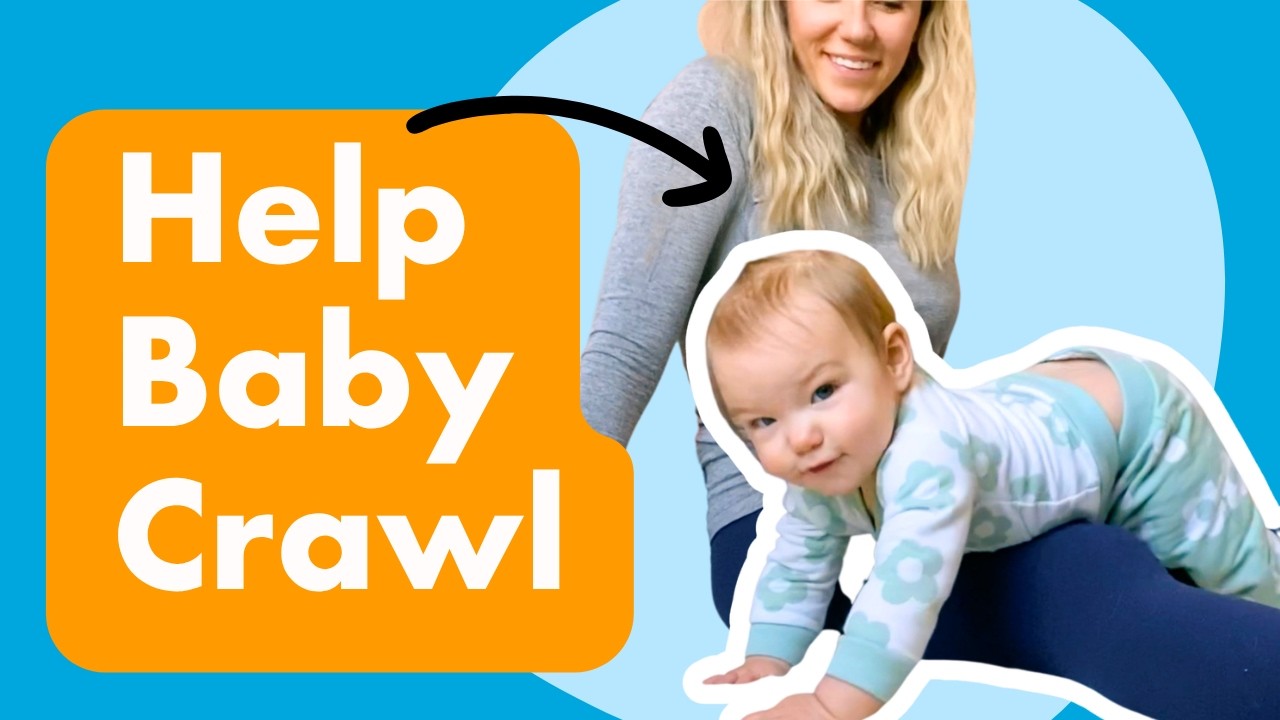
Simple OT Tips to Encourage Your Baby’s Crawling Journey
Wondering how to encourage your baby to crawl? Discover tried-and-true occupational therapy (OT) tips that support strength, coordination, and confidence