This talk provides an in-depth analysis of autism spectrum disorder (ASD), emphasizing its complexity beyond just social communication and repetitive behaviors. It highlights the importance of behavioral interventions, especially early and intensive programs, which have strong evidence for improving IQ, language, and adaptive skills. The speaker also critiques past medical treatments, using secretin as an example of a widely accepted but ultimately ineffective intervention, demonstrating the powerful placebo effect in ASD research. Additionally, the discussion focuses on medications with the most evidence—aripiprazole and risperidone—approved for managing irritability rather than core ASD symptoms. What makes this talk unique is its balanced approach, acknowledging both the limitations of current treatments and the need for more rigorous, evidence-based research.
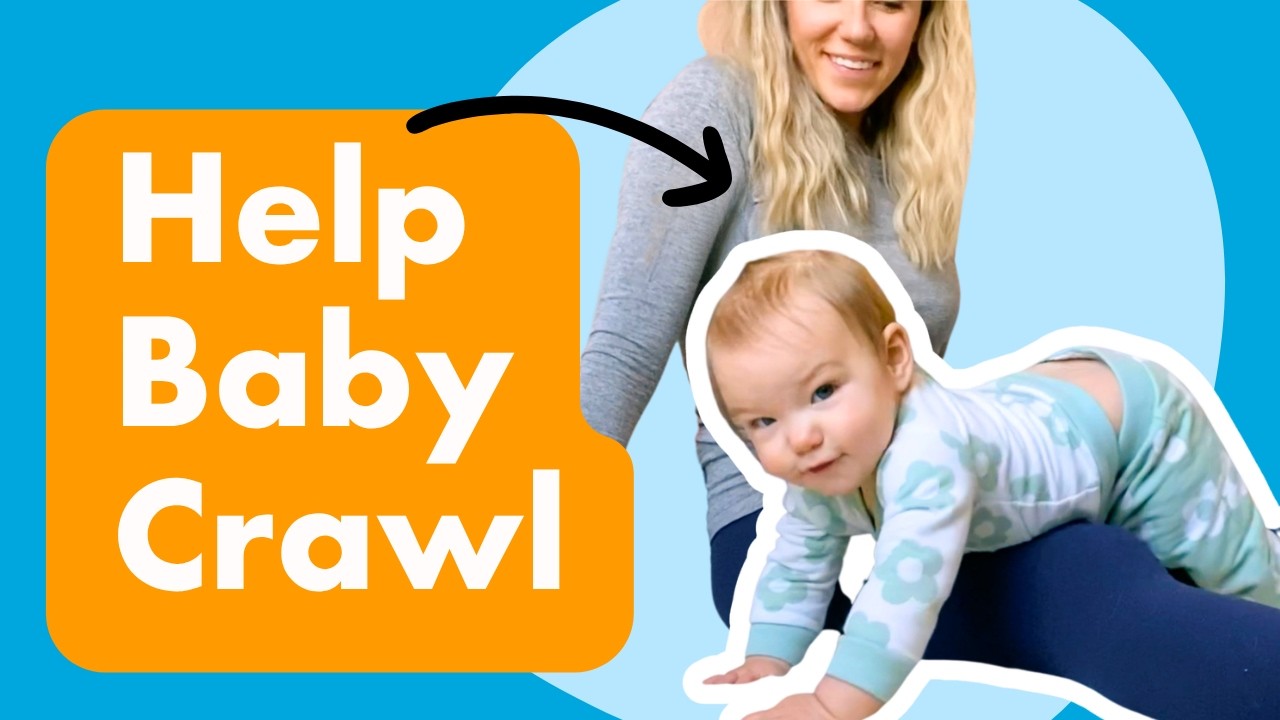
Simple OT Tips to Encourage Your Baby’s Crawling Journey
Wondering how to encourage your baby to crawl? Discover tried-and-true occupational therapy (OT) tips that support strength, coordination, and confidence