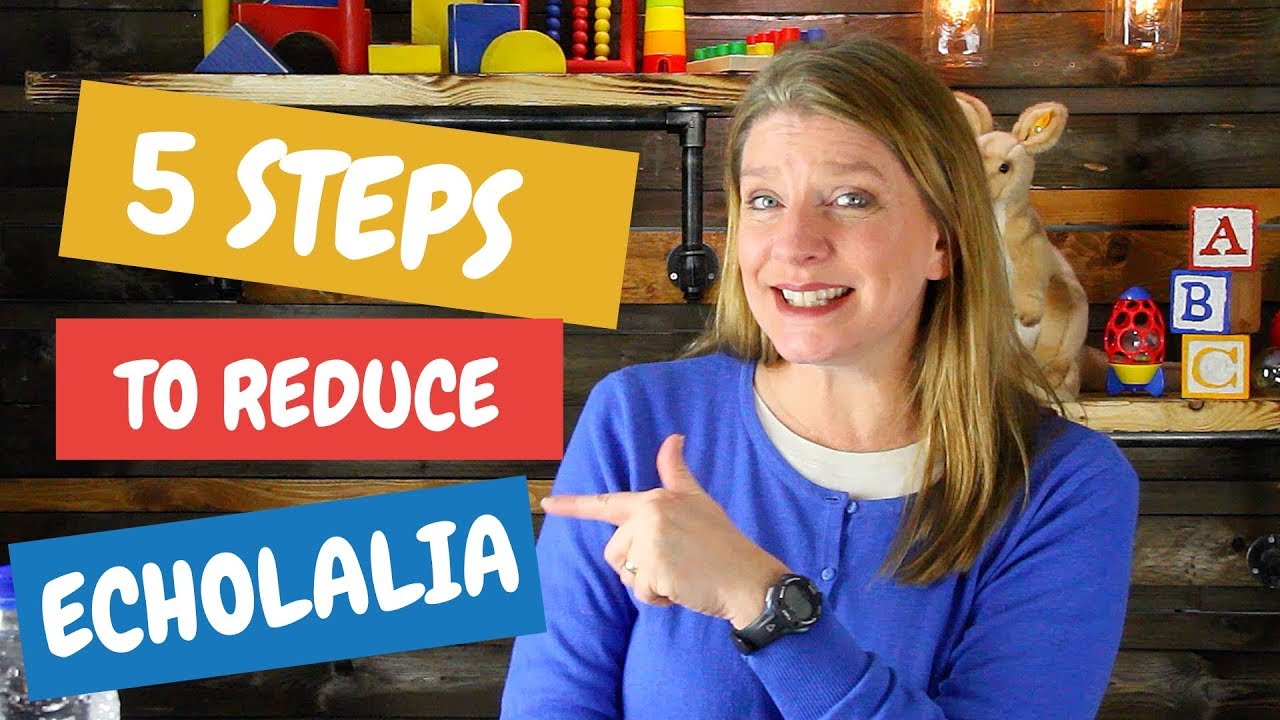
Supporting children with autism in their communication journey requires patience, creativity, and understanding. Here are some practical tips to help foster communication:
- Hide Highly Desirable Items: If there’s something the child really wants, try hiding it. Then, wait and observe how they respond. Their behavior in this situation is often their way of communicating.
- Use Visual Cues: Children with autism may struggle to process spoken words. Pointing with your hand or using other visual cues can help them understand what you’re trying to communicate.
- Offer Choices, Don’t Ask “What Do You Want?” Instead of asking open-ended questions like “What do you want?”, provide simple choices. Giving children the ability to make choices is a powerful part of communication.
- Incorporate Gestures: Gestures are a great way to support communication. Encourage the use of gestures as an alternative to verbal expression when needed.
- Reduce Communication Pressure: Don’t pressure children to speak. Visual supports, like pictures, won’t stop them from learning to speak. Instead, these tools help facilitate both speech and overall communication.
- Shape Verbal Communication: When a child starts verbalizing, begin shaping their speech. Encourage their efforts and gradually build on their attempts to help them improve.
- Use iPads & Apps Creatively: When using devices like iPads, try changing the cover or background when shifting to a new topic. This small change can signal a transition and support the child’s understanding.
- Celebrate Every Step of Progress: Remember, the smallest milestones are the biggest achievements. Celebrating each moment of progress, no matter how small, is a beautiful part of the learning process.
By using these strategies, you can help create an environment where communication is supported and celebrated—no matter the form it takes.