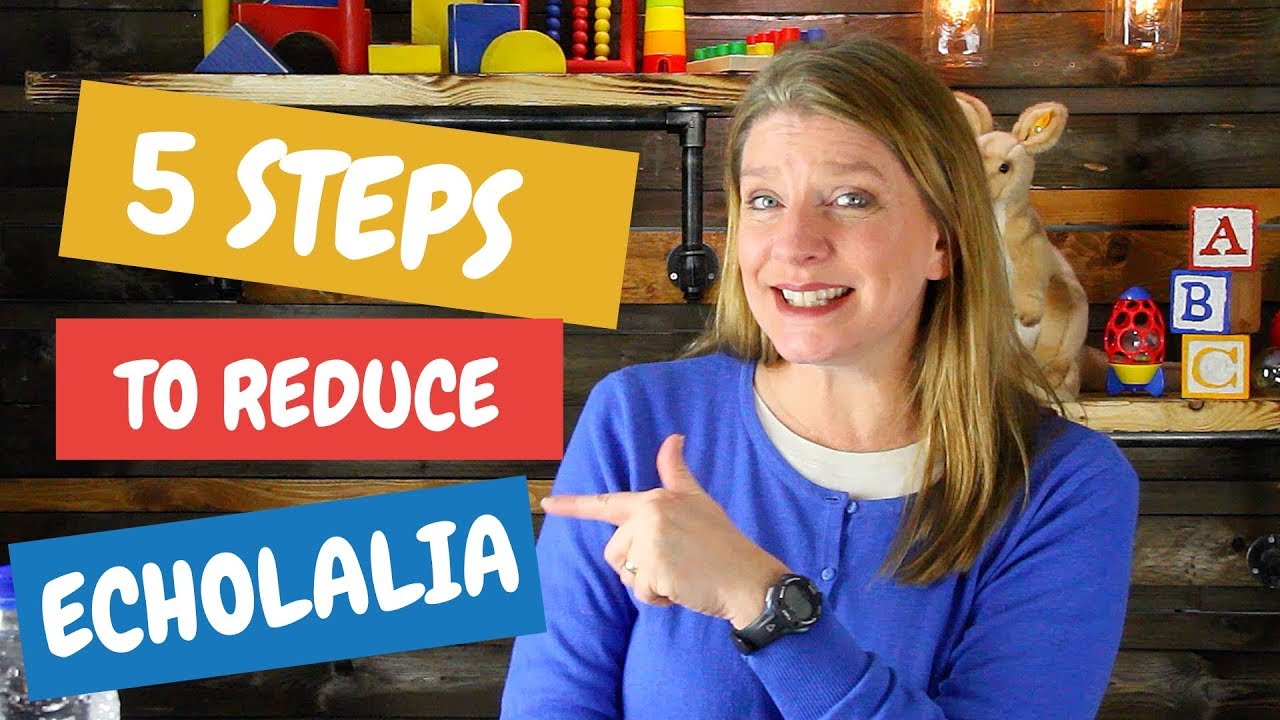
This video provides a thoughtful overview of why children may laugh to themselves and how parents can respond effectively. The speaker explains that self-laughing often stems from sensory needs, self-regulation, or emotional release rather than misbehavior. Instead of trying to “stop” the laughter, the video encourages parents to observe patterns, identify triggers, and provide calming alternatives such as sensory activities or structured routines. Importantly, it reassures caregivers that they don’t need to be experts—simple, consistent strategies at home can make a difference. The review highlights the video’s practical tone, emphasizing empathy and patience over discipline. It avoids technical jargon, making it accessible to parents who want guidance without professional training. Overall, the video is a supportive resource that reframes self-laughing as a behavior to understand and guide, rather than control harshly.
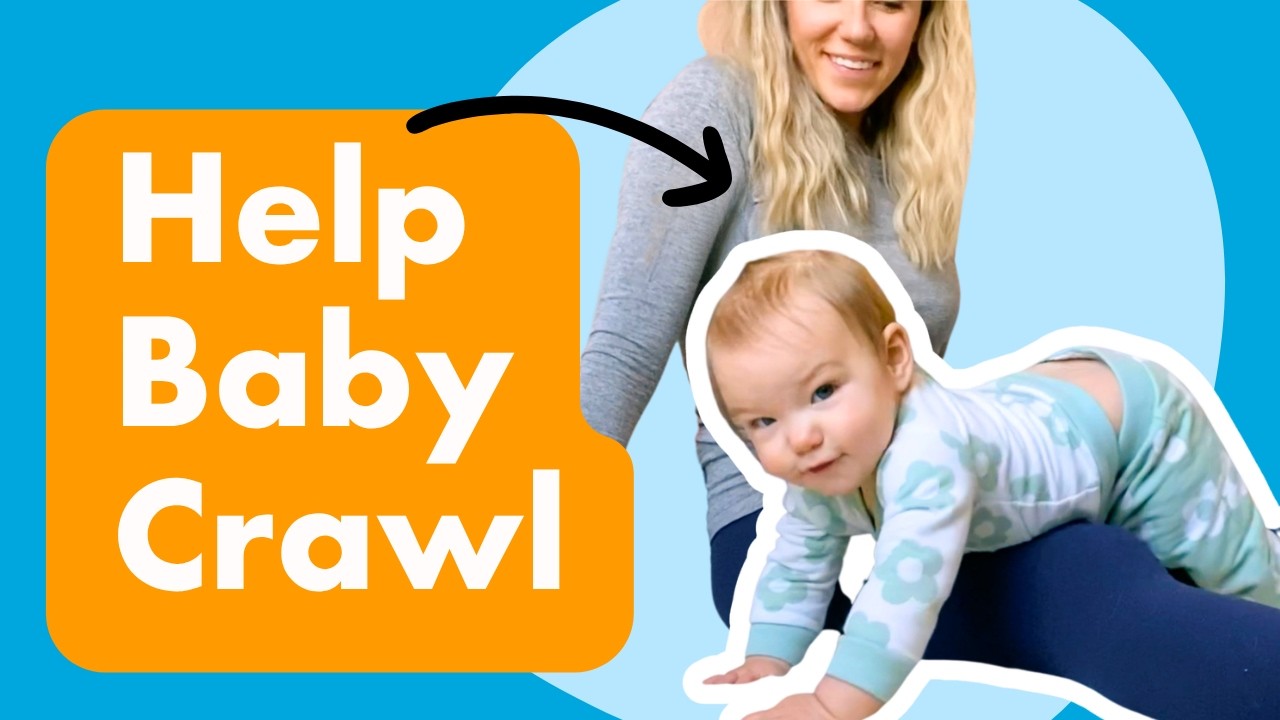
Simple OT Tips to Encourage Your Baby’s Crawling Journey
Wondering how to encourage your baby to crawl? Discover tried-and-true occupational therapy (OT) tips that support strength, coordination, and confidence