Dr. Mary Barbera discusses the importance of properly utilising sensory rooms for children with autism. While these spaces can provide significant benefits, they are often misused, leading to increased problem behaviours. Key points include the necessity of clear goals and structured activities rather than free play. Real-life examples highlight misuse, such as using sensory rooms for distractions or as a reward after problem behaviours, which can reinforce negative actions. When used correctly—as a reinforcer between challenging tasks—sensory rooms can be effective. Careful planning and collaboration are crucial to maximize their positive impact on children’s learning and development.
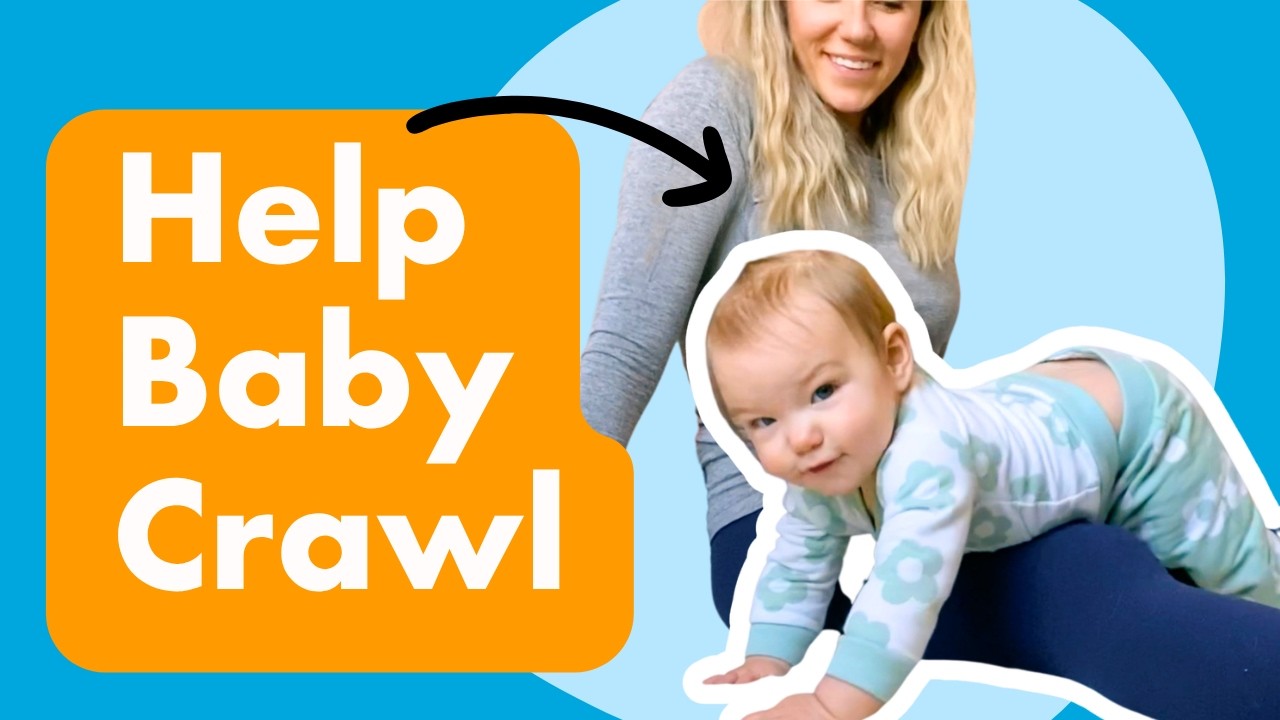
Simple OT Tips to Encourage Your Baby’s Crawling Journey
Wondering how to encourage your baby to crawl? Discover tried-and-true occupational therapy (OT) tips that support strength, coordination, and confidence